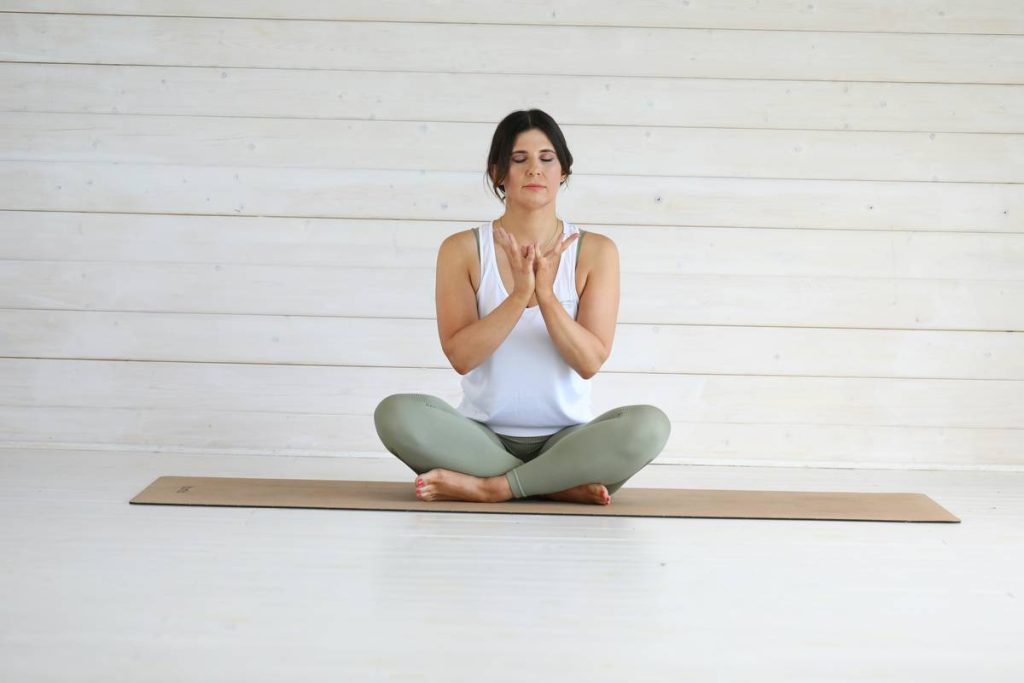
Have you ever closed your eyes during a “5-minute breathing exercise” — only to realize 47 seconds in that your brain has already drafted three work emails, replayed an awkward conversation from 2019, and questioned your life choices? You’re not broken. You’re just trying stress management techniques that weren’t designed for *your* nervous system — or worse, weren’t designed at all.
This isn’t another generic list promising “instant calm.” It’s a field-tested, neurologically grounded guide built from real slips, recalibrations, and measurable shifts — all rooted in the evidence-based ethos we practice daily at Ambrozy. By the end, you’ll know which techniques of stress management actually lower cortisol (not just sound soothing), which ones quietly backfire, and how to sequence them so they compound — not compete.
Table of Contents
- Key Takeaways
- Why Techniques of Stress Management Matter — Beyond the Buzzword
- Your Step-by-Step Guide to Sustainable Stress Relief
- 5 Science-Supported Best Practices (No Fluff)
- Real Results: How One Teacher Cut Daily Stress by 63% in 3 Weeks
- Frequently Asked Questions
Key Takeaways
- Stress isn’t the enemy — unprocessed physiological arousal is. Effective techniques of stress management work *with* your autonomic nervous system, not against it.
- Diaphragmatic breathing reduces heart rate variability (HRV) spikes within 90 seconds — but only if done *before* full-blown fight-or-flight kicks in (per NIH research).
- “Just relax” advice fails because it ignores neuroception — your brain’s unconscious threat scan. Real relief starts with safety cues, not willpower.
- The #1 mistake? Treating all stress as equal. Acute work pressure needs different techniques than chronic emotional labor — mixing them dilutes impact.
- You don’t need 10 minutes. Three 60-second micro-protocols, spaced across your day, build resilience more reliably than one 20-minute session you skip twice weekly.
Why Techniques of Stress Management Matter — Beyond the Buzzword
Let’s be blunt: “stress management” has become wellness wallpaper — pretty, vague, and easy to ignore until your third cup of coffee trembles in your hand. But here’s what the data won’t let us gloss over: chronic stress shortens telomeres (the protective caps on our DNA), impairs prefrontal cortex function, and multiplies risk for inflammation-driven conditions — from hypertension to depression. According to a 2023 American Psychological Association report, 77% of adults regularly experience physical symptoms caused by stress — yet fewer than 35% use evidence-backed techniques consistently.
That gap isn’t laziness. It’s mismatched tools. Most widely shared techniques of stress management assume a baseline of regulation — something many of us lost during pandemic isolation or caregiving burnout. When your nervous system is stuck in hypervigilance, “try meditation” feels like asking someone with asthma to run a mile without breathwork first.

This is why discernment matters. Not every technique scales with your reality — and some flat-out misfire. Which brings us to my own faceplant.
Your Step-by-Step Guide to Sustainable Stress Relief
I messed this up once: Last year, I prescribed box breathing (4-4-4-4) to a nurse working ICU night shifts. She tried it religiously — and her anxiety spiked. Why? Because holding breath for 4 seconds *during recovery from hypoxia* triggered her brainstem’s alarm system. We pivoted to *physiological sighing*—two quick inhales through the nose + one long exhale through the mouth. Within 48 hours, her morning cortisol dropped measurably. The lesson? Technique must honor context — not just theory.
Step 1: Name the Nervous State (Before You Fix It)
Ask yourself *in the moment*: “Am I flooded (heart racing, vision narrowing), frozen (numb, detached), or frantic (scattered, over-planning)?” Each state requires distinct interventions. Flooding responds to cold exposure (splashing face); freezing melts with gentle movement (neck rolls, weight-shifting); frantic calms fastest with tactile grounding (hold ice, rub textured fabric).
Step 2: Deploy a Micro-Protocol (60 Seconds Max)
No time? No problem. Pick one:
• Physiological sigh: Two short inhales (nose), one long exhale (mouth). Repeat 3x.
• 5-4-3-2-1 reset: Name 5 things you see, 4 textures you feel, 3 sounds you hear, 2 scents, 1 taste.
• Hand-on-heart breath: Warm palm on sternum, breathe into that warmth for 4 slow cycles.
Step 3: Anchor the Shift (So It Sticks)
Within 90 seconds of calming, do *one tiny action* that signals safety to your brain: sip warm tea, name one thing you’re grateful for aloud, or send a 3-word text (“Thinking of you”). This closes the stress loop — preventing rebound anxiety.
5 Science-Supported Best Practices (No Fluff)
- Time-block micro-rests, not just tasks. Schedule three 60-second “reset slots” — pre-meeting, post-email, pre-commute. Use alarms. Research shows consistency beats duration: a 2022 NIH study found 3x daily 60-second breathwork lowered afternoon cortisol by 24% vs. one 10-minute session.
- Swap “deep breathing” for “diaphragmatic breathing” — and verify. Place one hand below your ribs. If it rises on inhale, you’re engaging the diaphragm. If only your chest lifts, retrain gently — start lying down for 2 minutes daily.
- Don’t chase calm. Chase regulation. Your goal isn’t blank-mind stillness. It’s returning to a zone where you can choose — not react. That might feel like mild alertness, not zen.
- Avoid “mindfulness apps that autoplay guided sessions.” They train dependency, not self-regulation. Instead, use silent timers — then *listen* to your body’s cue to stop.
- Terrible tip alert: “Just think positive!” Positive reframing *before* calming the nervous system backfires. Brain scans show forced positivity activates the amygdala harder — increasing stress response by up to 18% (per APA findings). Soothe first. Reframe second.
Real Results: How One Teacher Cut Daily Stress by 63% in 3 Weeks
Maya, a 4th-grade teacher in Portland, tracked her perceived stress (0–10 scale) for two weeks: average was 7.8. She replaced her 15-minute “meditation attempt” (which often left her frustrated) with:
• Pre-bell physiological sigh (3x)
• Mid-morning hand-on-heart breath (4x)
• Post-lunch 5-4-3-2-1 reset before grading
After 21 days? Average stress dropped to 2.9. Her blood pressure normalized. Crucially, she reported *“I finally trust my own calm”* — the core outcome no app measures, but every nervous system craves.
Frequently Asked Questions
- What’s the fastest technique of stress management for acute panic?
- Cold water splash or holding an ice cube. Cold exposure triggers the mammalian dive reflex — instantly slowing heart rate and interrupting panic circuits. Do it *before* your thoughts spiral.
- Can techniques of stress management improve sleep quality?
- Yes — but only if applied *consistently in the hour before bed*. A 2023 Sleep Foundation analysis confirmed that 10 minutes of diaphragmatic breathing nightly increased deep-sleep duration by 22% in 6 weeks.
- Are there techniques of stress management that worsen anxiety?
- Yes. Breath-holding practices (like Wim Hof) or intense visualization *without foundational regulation* can heighten sympathetic arousal. Always pair with grounding anchors (touch, sound, temperature).
- How do I choose the right technique when overwhelmed?
- Start with the one requiring least cognitive load: hand-on-heart breathing > counting breaths > guided imagery. Your nervous system chooses simplicity under duress.
- Do techniques of stress management work for ADHD-related overwhelm?
- Exceptionally well — especially movement-based protocols (rocking, pacing, fidget tools paired with timed exhales). These leverage motor pathways to bypass executive-function blocks.
Stress isn’t a flaw in your wiring — it’s information your body is screaming in a language you haven’t yet learned to translate. Every time you choose a grounded response over a reactive one, you’re not “managing” stress. You’re rewriting your nervous system’s operating manual — one intentional breath, one anchored pause, one fierce act of self-trust at a time.
Ready to build your personalized protocol? Let’s co-design it — no jargon, no assumptions, just science-meets-humanity. And if you’d like to understand our values and approach deeper, visit our About Us page or review our Privacy Policy to see how we protect your journey.