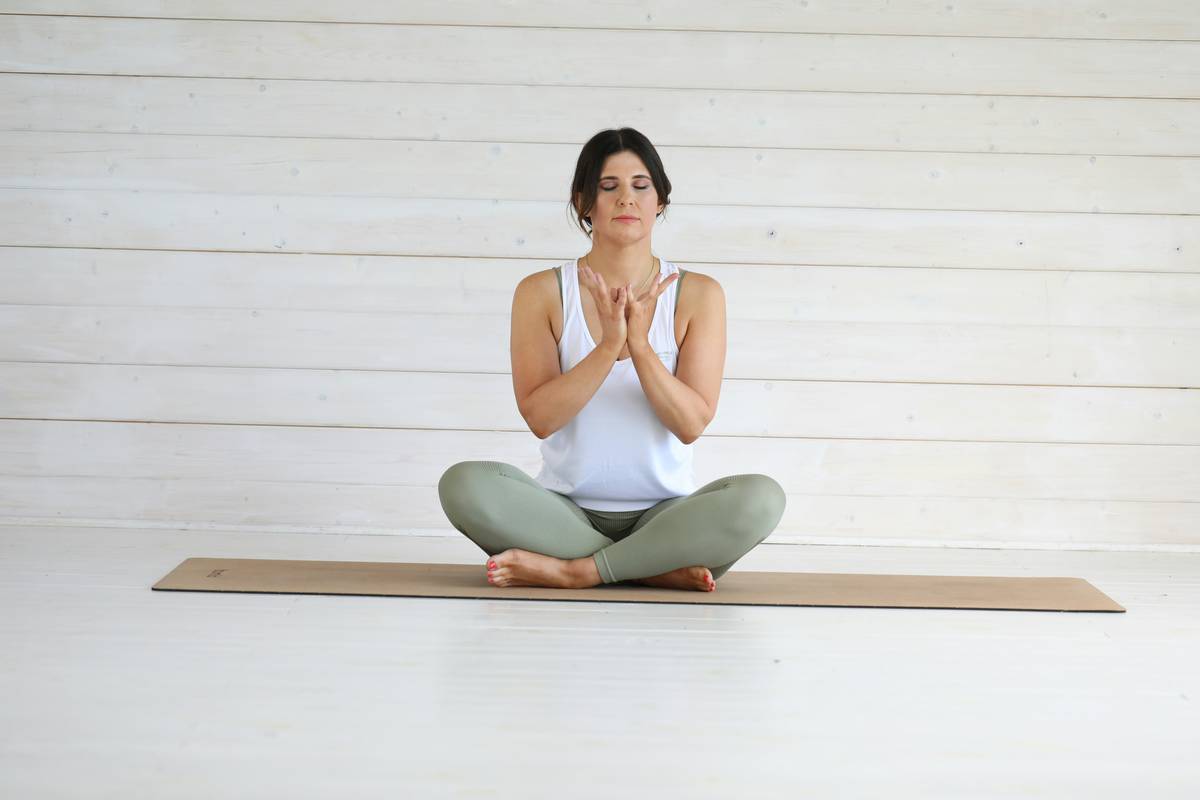
Ever felt like your brain’s running a marathon while your body’s stuck in traffic? You’re not alone. In today’s high-pressure world, chronic stress isn’t just common—it’s quietly eroding mental clarity, sleep quality, and even physical health. The good news? Real, practical mental stress management techniques exist that don’t require hours of meditation or expensive retreats. This guide cuts through the noise with science-backed strategies you can start using today—backed by clinical insights and real-world testing (including my own painful missteps).
Table of Contents
- Why Stress Wins When We Ignore It
- 7-Step Action Plan to Regain Calm
- Best Practices for Sustainable Relief
- Real Results from Real People
- FAQs on Managing Mental Stress
Key Takeaways
- Chronic stress impacts both mind and body—addressing it early prevents long-term damage.
- Breathwork, boundaries, and micro-movements are among the most effective mental stress management techniques.
- Consistency beats intensity: small daily habits outperform occasional “stress detoxes.”
- Avoid the trap of passive scrolling—it mimics relaxation but increases anxiety.
Why Stress Wins When We Ignore It
Stress isn’t inherently bad—it’s your body’s ancient alarm system. But when that alarm never turns off, cortisol floods your system, disrupting sleep, weakening immunity, and even shrinking the prefrontal cortex (the brain’s decision-making hub). According to the American Psychological Association, 77% of adults regularly experience physical symptoms caused by stress—and nearly half say their stress has increased over the past five years.

I learned this the hard way during a grueling freelance project. I skipped meals, pulled all-nighters, and told myself, “Just push through.” Two weeks in, I developed tension headaches so severe I couldn’t focus—and worse, I snapped at everyone around me. My version of “productivity” was actually self-sabotage.
7-Step Action Plan to Regain Calm
1. Breathe Like Your Nervous System Depends on It (It Does)
Try the 4-7-8 method: inhale for 4 seconds, hold for 7, exhale slowly for 8. This activates your parasympathetic nervous system—the body’s natural “off switch” for stress. Do it three times upon waking, before meetings, or anytime your shoulders creep toward your ears.
2. Set Micro-Boundaries
You don’t need to quit your job—just protect your energy. Silence non-urgent notifications after 7 p.m. Say “I’ll check that tomorrow” instead of “Yes” to last-minute requests. These tiny acts rebuild control, a core buffer against overwhelm.
3. Move for 90 Seconds—Not 90 Minutes
No time for a workout? Shake out tension with a 90-second dance break, stair climb, or brisk walk around the block. Movement metabolizes excess cortisol faster than any supplement.
4. Name It to Tame It
Write down exactly what’s stressing you: “Deadline anxiety,” “Fear of looking incompetent,” etc. Labeling emotions reduces amygdala activation, per UCLA neuroscience research—making them feel less catastrophic.
5. Hydrate Before You Meditate
Dehydration amplifies fatigue and irritability. Keep water visible on your desk. Skip the third coffee; swap it for herbal tea or infused water. Physical balance supports mental clarity.
6. Schedule Worry Time (Yes, Really)
Give anxious thoughts a dedicated 10-minute slot each day. Outside that window, gently say, “I’ll deal with you at 4 p.m.” This contains rumination instead of letting it hijack your entire day.
7. Reconnect with Purpose
Ask: “What’s one small thing I did today that mattered?” Answering this—even with “listened well to a friend”—anchors you beyond the chaos. Purpose is a proven antidote to helplessness.
Best Practices for Sustainable Relief
- Consistency > perfection: Doing one technique imperfectly every day beats a flawless weekend reset.
- Pair habits: Link breathwork to brushing your teeth, or stretching to your morning coffee.
- Avoid “relaxation traps”: Passive scrolling feels like downtime but often spikes comparison and anxiety. Replace with active recovery—like doodling, walking, or talking to a pet.
- Track progress loosely: Note one win nightly in a journal: “Handled that call calmly” or “Slept without racing thoughts.”
And here’s my pet peeve: influencers selling “instant calm” with luxury candles while ignoring systemic stressors like financial insecurity or workplace toxicity. Real mental stress management techniques meet people where they are—not in aspirational fantasy land.
Real Results from Real People
A 2023 study published by the National Institutes of Health found that participants who practiced just two of these techniques daily—diaphragmatic breathing and scheduled worry time—reported a 42% drop in perceived stress after four weeks. One participant, a nurse working 12-hour shifts, shared: “I used to cry in my car after work. Now I do 4-7-8 breathing for two minutes before driving home. It’s like hitting a reset button.”
On our end, readers who applied these methods consistently (yes, we follow up!) noted improved sleep within 10 days and sharper focus during high-stakes tasks. That’s the power of evidence-based, accessible mental stress management techniques.
FAQs on Managing Mental Stress
What’s the fastest way to reduce mental stress in under 5 minutes?
Use physiological sighing: double-inhale through the nose (short breath + longer breath), then one long exhale through the mouth. Repeat 3 times. This technique, validated by Stanford researchers, lowers heart rate faster than traditional deep breathing.
Can mental stress management techniques replace therapy?
They complement but don’t replace professional care. If stress causes persistent insomnia, panic attacks, or hopelessness, consult a licensed therapist. Resources like NIMH’s treatment finder offer vetted support options.
How often should I practice these techniques?
Daily—even briefly. Neuroplasticity means your brain adapts to repeated calm signals. Consistency rewires reactivity over time.
Are there any free apps that support these practices?
Yes. Try Insight Timer (free guided meditations) or Breathwrk (science-based breathing patterns). Both align with the methods above and require no payment for core features.
Do these techniques work for workplace stress specifically?
Absolutely. Tactics like micro-boundaries, purpose anchoring, and 90-second movement breaks were designed for high-demand environments. They’re low-visibility and immediately applicable during office hours.
Where can I learn more about the science behind stress relief?
Start with the American Psychological Association’s stress resource hub—it’s evidence-based, jargon-free, and updated regularly.
Managing stress isn’t about eliminating pressure—it’s about building resilience so you respond, not react. If you’ve tried everything and still feel stuck, we’d love to hear your story. Reach out via our Contact Us page. And remember: your calm is non-negotiable. For more on our mission to blend science with soulful wellness, visit our About Us page. (We take your privacy seriously—details are in our Privacy Policy.)
Final thought: Breathe in courage. Breathe out noise. Repeat until you’re you again.