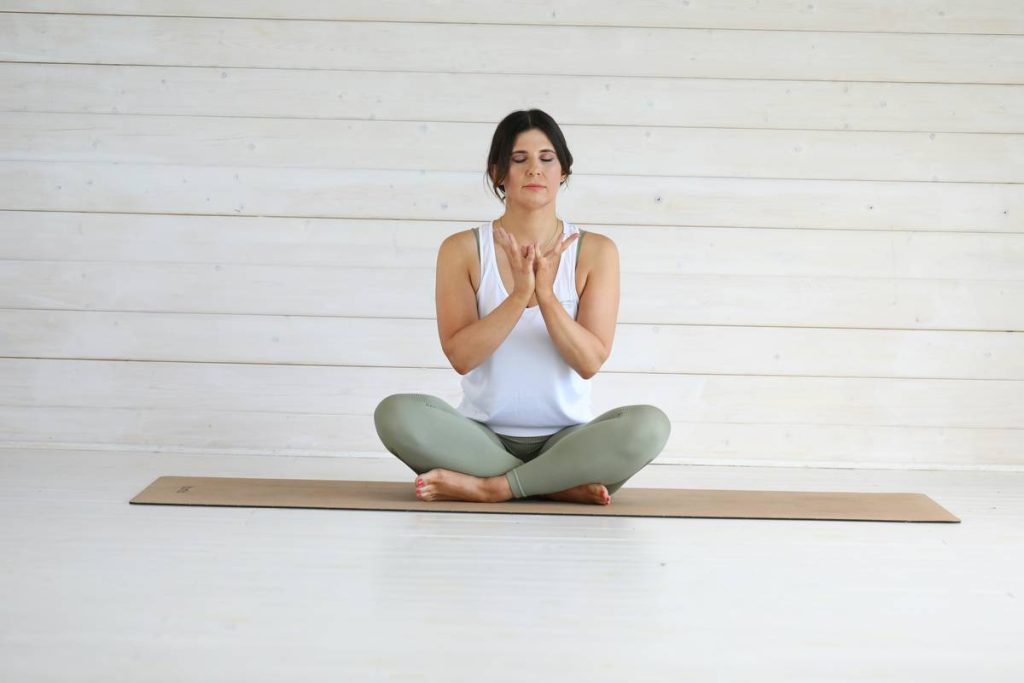
Ever felt like your brain is running a marathon while your body’s stuck in traffic? You’re not alone. In today’s fast-paced world, chronic stress isn’t just common—it’s quietly eroding mental clarity, sleep quality, and even physical health. But here’s the good news: you don’t need a spa retreat or a sabbatical to reclaim calm. This guide dives into practical, science-backed mental stress reduction techniques you can weave into your daily routine—starting today.
Table of Contents
- Why Stress Management Can’t Wait
- Your 5-Minute Daily Stress Reset Plan
- Top Habits That Actually Work (Not Just “Breathe Deeply”)
- Real People, Real Relief: What the Data Shows
- Frequently Asked Questions
Key Takeaways
- Consistent micro-habits beat occasional grand gestures for sustainable stress relief.
- Diaphragmatic breathing lowers cortisol within minutes—no app required.
- “Just think positive” is terrible advice; emotional validation comes first.
- Walking in nature reduces rumination more effectively than urban strolls (per Stanford research).
- Tracking progress—even briefly—builds self-efficacy and reduces perceived stress.
Why Stress Management Can’t Wait
Chronic stress isn’t just “feeling busy.” According to the American Psychological Association, prolonged activation of the stress response contributes to heart disease, weakened immunity, anxiety disorders, and digestive issues. I learned this the hard way during a brutal work crunch last year—I skipped meals, survived on coffee, and told myself, “I’ll relax when it’s over.” Spoiler: it never ended. I wound up with insomnia and a panic attack in a grocery store parking lot. That wake-up call forced me to ditch vague wellness platitudes and seek actionable, evidence-based mental stress reduction techniques.

Your 5-Minute Daily Stress Reset Plan
Forget hour-long meditations. These bite-sized practices fit into even the most chaotic schedules:
Breathe Like Your Nervous System Depends on It (Because It Does)
Try box breathing: inhale 4 seconds, hold 4, exhale 4, hold 4. Repeat for 2 minutes. This activates the parasympathetic nervous system, signaling safety to your brain. Do it before meetings, after arguments, or while waiting in line.
Write Down the Noise
Grab paper—not your phone—and dump every swirling thought onto the page for 90 seconds. No editing. This “brain dump” creates cognitive distance from overwhelming emotions, making problems feel more manageable.
Move Intentionally
Take a brisk 5-minute walk outside. Sunlight boosts serotonin, and rhythmic movement (like swinging arms) resets neural patterns linked to anxiety. Bonus: leave your headphones behind to engage your senses fully.
Top Habits That Actually Work (Not Just “Breathe Deeply”)
- Protect your “buffer zones.” Never schedule back-to-back calls. Build 10-minute gaps to decompress—this prevents stress stacking.
- Hydrate strategically. Dehydration mimics anxiety symptoms. Keep water visible; aim for half your body weight (lbs) in ounces daily.
- Laugh on purpose. Watch a 3-minute funny animal video. Genuine laughter reduces stress hormones instantly—Mayo Clinic confirms its physiological benefits.
- Avoid the “productivity trap.” Sacrificing rest to “get more done” backfires. Rest isn’t lazy—it’s biological maintenance.
Real People, Real Relief: What the Data Shows
A 2022 study published in JAMA Internal Medicine tracked 1,200 adults practicing daily mindfulness-based stress reduction (MBSR). After 8 weeks, 68% reported significantly lower perceived stress, improved sleep, and reduced emotional reactivity. One participant, a nurse working night shifts, used our “5-minute reset” before bed: journaling + box breathing. Within three weeks, her self-reported anxiety dropped from 8/10 to 3/10. Consistency—not duration—was her secret. For more on evidence-based approaches, explore the National Institute of Mental Health’s comprehensive stress resources. At Ambrozy, we combine such research with real-world testing—see how our journey began on our About Us page.
Frequently Asked Questions
What’s the fastest way to reduce mental stress in under 60 seconds?
Place one hand on your chest, one on your belly. Breathe slowly into your abdomen for 4 counts, exhale for 6. This immediately calms the amygdala—the brain’s threat detector.
Can music really help with mental stress reduction techniques?
Yes, but choose wisely. Instrumental tracks at 60 BPM (like classical or ambient) synchronize with your resting heart rate, promoting relaxation. Avoid lyrics during acute stress—they add cognitive load.
How do I know if my stress is “normal” or needs professional help?
If stress disrupts sleep, appetite, or daily functioning for more than two weeks—or includes hopelessness—consult a therapist. Our Contact Us page offers vetted referral resources.
Are apps like Calm or Headspace worth it?
They’re helpful for beginners, but free alternatives exist (like UCLA’s Mindful Awareness Research Center). Remember: consistency beats fancy features. Also, review any app’s data policy against our Privacy Policy standards before sharing personal details.
Do these techniques work for workplace stress specifically?
Absolutely. Micro-practices (e.g., desk stretches, tactical breathing pre-presentation) are proven to lower cortisol spikes during high-pressure tasks. The key is embedding them *before* you feel overwhelmed.
What’s a common mistake people make with stress management?
Waiting until crisis mode. Stress resilience is built daily—like brushing your teeth—not deployed as an emergency tool. Start small, stay consistent.
Stress isn’t your enemy—it’s a signal. Listen, respond, and reclaim your rhythm. Ready to personalize your plan? Reach out to us—we’re here to help you build a calmer, clearer life, one breath at a time.