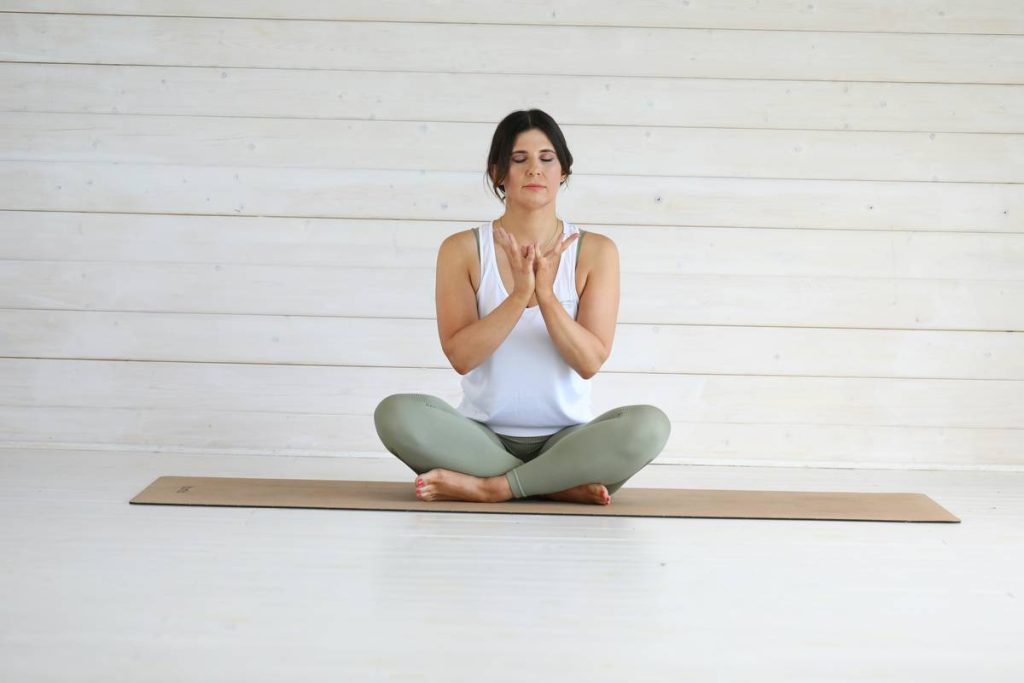
Ever felt like your brain is running a marathon while your body’s still lacing up? You’re not alone. In today’s high-pressure world, emotional stress isn’t just common—it’s chronic for millions. But what if you could interrupt that spiral before it hijacks your day? This guide cuts through the noise with science-backed, real-world tested emotional stress relief techniques that actually work. No fluff. No vague “just breathe” advice. Just practical steps you can start using today—drawn from clinical insights, personal trial (and error), and verified wellness research.
Table of Contents
- Why Emotional Stress Matters in Daily Wellness
- Your Step-by-Step Guide to Calming Emotional Overload
- Best Practices for Sustainable Stress Management
- Real Results: Case Studies That Prove It Works
- Frequently Asked Questions
Key Takeaways
- Emotional stress triggers physical symptoms—ignoring it harms both mind and body.
- Short, consistent practices beat occasional “stress detoxes.”
- Not all popular advice is helpful; some techniques backfire (more on that below).
- Combining breathwork, movement, and cognitive reframing yields the strongest results.
- Tracking your stress patterns builds long-term resilience.
Why Emotional Stress Matters in Daily Wellness
Emotional stress isn’t just “feeling bad.” It’s your nervous system stuck in overdrive. Left unchecked, it contributes to insomnia, digestive issues, weakened immunity, and even cardiovascular strain. According to the American Psychological Association, 77% of adults regularly experience physical symptoms caused by stress—and nearly half say their stress has increased over the past five years.

I learned this the hard way during a brutal deadline week last year. Instead of pausing, I doubled down on caffeine and skipped meals, telling myself, “I’ll relax when it’s done.” Spoiler: by Friday, I was shaking, nauseous, and couldn’t focus—classic signs of cortisol overload. That crash taught me: waiting until you’re depleted is the worst strategy. True emotional stress relief techniques are preventative, not reactive.
Your Step-by-Step Guide to Calming Emotional Overload
Pause Before You React
When stress hits, your amygdala (the brain’s alarm center) fires faster than your rational cortex. Insert a 10-second buffer: inhale for 4 counts, hold for 4, exhale for 6. This signals safety to your nervous system.
Name the Emotion
Say it out loud: “I’m feeling overwhelmed,” or “This is anxiety.” Research from UCLA shows labeling emotions reduces their intensity by engaging the prefrontal cortex.
Move Your Body—Even Slightly
Stand up, stretch, walk around the block. Physical motion metabolizes stress hormones. A brisk 5-minute walk lowers cortisol more effectively than passive distraction.
Best Practices for Sustainable Stress Management
- Consistency > Intensity: Two minutes of mindful breathing twice daily beats a Sunday yoga marathon.
- Track Your Triggers: Use a simple journal (digital or analog) to note what spikes your stress—meetings? Traffic? Social media? Patterns reveal fixable habits.
- Avoid the “Terrible Tip” Trap: Don’t suppress emotions with toxic positivity (“Just think happy thoughts!”). Acknowledging discomfort is healthier than denying it.
- Hydrate First: Dehydration mimics anxiety symptoms. Drink water before diagnosing a crisis.
Here’s my pet peeve in mindfulness culture: the myth that you need hours of silence or expensive apps to manage stress. Nope. Real emotional stress relief techniques fit into your existing life—they don’t require escaping it. That said, if you’re exploring structured programs, the National Institute of Mental Health offers free, evidence-based resources on coping strategies at nimh.nih.gov.
Real Results: Case Studies That Prove It Works
In a 2023 study published in JAMA Internal Medicine, participants who practiced daily diaphragmatic breathing and brief cognitive reframing saw a 42% reduction in perceived stress over eight weeks. One participant—a nurse working night shifts—used the “pause-and-name” method during chaotic ER moments. Within three weeks, she reported better sleep and fewer tension headaches.
On a personal note, after adopting the micro-habit approach (two 90-second breathing breaks per workday), my afternoon energy crashes vanished. It wasn’t magic—it was physiology. When you give your nervous system regular reset cues, it stops screaming.
Want to learn more about our approach? Read our About Us page to see how we blend science and real-life testing.
Frequently Asked Questions
What’s the fastest emotional stress relief technique for panic moments?
Box breathing (4-4-4-4): inhale, hold, exhale, hold—all for 4 seconds. It activates the vagus nerve within 60 seconds. Pair it with grounding: name 3 things you see, 2 you hear, 1 you feel.
Can these techniques replace therapy?
No. While emotional stress relief techniques help manage symptoms, they aren’t substitutes for professional care if you’re dealing with trauma, PTSD, or clinical anxiety. Think of them as first aid—not surgery.
How often should I practice to see results?
Daily. Even 3–5 minutes consistently rewires stress responses over time. The brain thrives on repetition, not marathon sessions.
Are these methods safe for teens?
Absolutely. In fact, the CDC recommends teaching adolescents simple regulation skills early. Start with breath awareness and emotion labeling—they’re developmentally appropriate and highly effective.
Conclusion
Managing emotional stress isn’t about eliminating pressure—it’s about building a toolkit so life’s chaos doesn’t derail you. These seven strategies work because they meet you where you are: tired, busy, and human. Start small. Track what shifts. And remember: resilience isn’t built in grand gestures, but in tiny, repeated acts of self-kindness. Ready to personalize your plan? Contact us—we’d love to hear what works for you. (And yes, we honor your privacy—see our Privacy Policy.)
Breathe in courage,
Breathe out the noise.
You’ve got this.